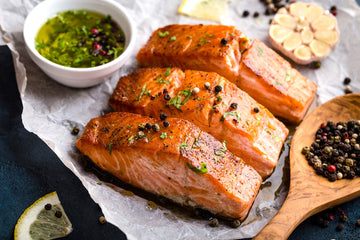
Diet plays a crucial role in managing chronic health conditions like Polycystic Ovary Syndrome (PCOS), thyroid disorders, and autoimmune diseases. Among various dietary strategies, a fish-based diet — rich in lean protein, essential fatty acids, vitamins, and minerals — has gained attention for its therapeutic potential in addressing these complex and often interconnected conditions. Scientific studies and clinical observations suggest that regular fish consumption may support hormonal balance, reduce inflammation, and enhance metabolic health.
Understanding PCOS and Its Dietary Needs
Polycystic Ovary Syndrome (PCOS) is an endocrine disorder affecting 1 in 10 women of reproductive age. It is characterized by irregular menstrual cycles, insulin resistance, elevated androgen levels, and often weight gain. Chronic inflammation and metabolic dysfunction are also common features of PCOS. Dietary management focuses on improving insulin sensitivity, reducing inflammation, and supporting weight loss.
Fish, especially fatty fish like salmon, sardines, and mackerel, are excellent sources of omega-3 fatty acids, which have been shown to improve insulin sensitivity and reduce markers of inflammation in women with PCOS. Omega-3s modulate the production of inflammatory cytokines and influence gene expression linked to metabolic regulation (Cussons et al., 2009). A randomized controlled trial conducted by Khani et al. (2017) demonstrated that supplementation with omega-3 improved menstrual regularity and reduced testosterone levels in women with PCOS, highlighting its potential in symptom management.
Additionally, fish is a high-quality protein that promotes satiety, which can help reduce caloric intake and support weight loss — a key aspect of PCOS management. Unlike red meat, fish is low in saturated fats, making it a heart-healthy alternative for women at increased risk of cardiovascular complications due to PCOS.
Thyroid Health and the Role of Iodine and Selenium
Thyroid disorders, particularly hypothyroidism and Hashimoto's thyroiditis, are increasingly prevalent, especially among women. Adequate intake of iodine and selenium — two micronutrients essential for thyroid hormone production and regulation — is critical in managing these conditions.
Seafood is one of the richest natural sources of iodine. Iodine is a vital component of thyroxine (T4) and triiodothyronine (T3), the primary hormones produced by the thyroid gland. Insufficient iodine intake can lead to goiter, hypothyroidism, and developmental problems. Regular consumption of iodine-rich fish such as cod, sea bass, and haddock can help meet daily iodine requirements and support optimal thyroid function (Zimmermann, 2009).
Selenium, another key micronutrient found in many fish species, plays a protective role by supporting the activity of glutathione peroxidase, an enzyme that reduces oxidative stress in the thyroid gland. Selenium also helps in the conversion of T4 to the more active T3 hormone. A study by Duntas and Benvenga (2015) emphasized that adequate selenium intake may reduce thyroid autoantibody levels in patients with autoimmune thyroiditis and improve clinical outcomes.
Fish, therefore, offers a nutrient-dense profile with both iodine and selenium in bioavailable forms, making it a valuable dietary component for maintaining thyroid health.
Autoimmune Conditions and the Anti-Inflammatory Effect of Fish
Autoimmune diseases occur when the immune system mistakenly attacks healthy cells. Common autoimmune conditions include rheumatoid arthritis, systemic lupus erythematosus (SLE), and multiple sclerosis. These diseases are often marked by chronic inflammation and immune dysregulation, where dietary interventions can play a pivotal role in symptom management and flare prevention.
The anti-inflammatory properties of omega-3 fatty acids, particularly eicosapentaenoic acid (EPA) and docosahexaenoic acid (DHA), have been extensively researched in the context of autoimmune diseases. EPA and DHA modulate immune cell activity, reduce pro-inflammatory eicosanoids, and enhance the production of inflammation-resolving mediators (Calder, 2013). This makes fatty fish consumption especially beneficial for individuals with autoimmune conditions.
In rheumatoid arthritis, omega-3 supplementation has shown significant improvements in morning stiffness and joint pain, often reducing the need for non-steroidal anti-inflammatory drugs (Gioxari et al., 2018). For lupus and other systemic autoimmune diseases, anti-inflammatory dietary patterns — such as those including regular fish intake — have been linked to reduced disease activity and better quality of life.
Furthermore, autoimmune conditions often co-exist with other metabolic disorders, including thyroid dysfunction and insulin resistance. A diet that reduces systemic inflammation while improving metabolic health — like a fish-rich diet — can therefore have cross-benefits across multiple conditions.
Balancing Safety and Sustainability
While the health benefits of a fish-based diet are clear, it is important to be mindful of mercury content and environmental sustainability. Larger predatory fish like tuna, swordfish, and king mackerel tend to accumulate higher levels of mercury, which can be harmful in high doses, particularly for pregnant women and individuals with compromised detoxification.
Opting for low-mercury fish such as salmon, sardines, trout, and anchovies ensures safety while maximizing nutritional benefits. Additionally, supporting sustainable fishing practices or choosing fish from responsible aquaculture sources can help protect marine ecosystems while promoting long-term health.
Practical Integration into Daily Life
Incorporating fish into the diet can be simple and culturally adaptable. For those new to fish-based meals, starting with grilled or baked fish twice a week can offer noticeable benefits. Traditional recipes can be modified to use lean fish as the primary protein, adding diversity to weekly meal plans. It is advisable to prepare fish with minimal processing and avoid deep-frying to preserve its nutritional integrity.
For individuals following vegetarian or semi-vegetarian diets, pescetarianism — a plant-based diet that includes fish — may offer a balanced approach to managing chronic health issues while respecting dietary preferences.
Conclusion
Fish-based diets offer a promising, scientifically supported approach to managing PCOS, thyroid disorders, and autoimmune diseases. Through their rich content of omega-3 fatty acids, iodine, selenium, and high-quality protein, fish can help regulate hormonal function, reduce inflammation, and improve metabolic health. When consumed mindfully and sustainably, fish can be a powerful ally in long-term health management, especially for women navigating complex endocrine and immune-related conditions.